

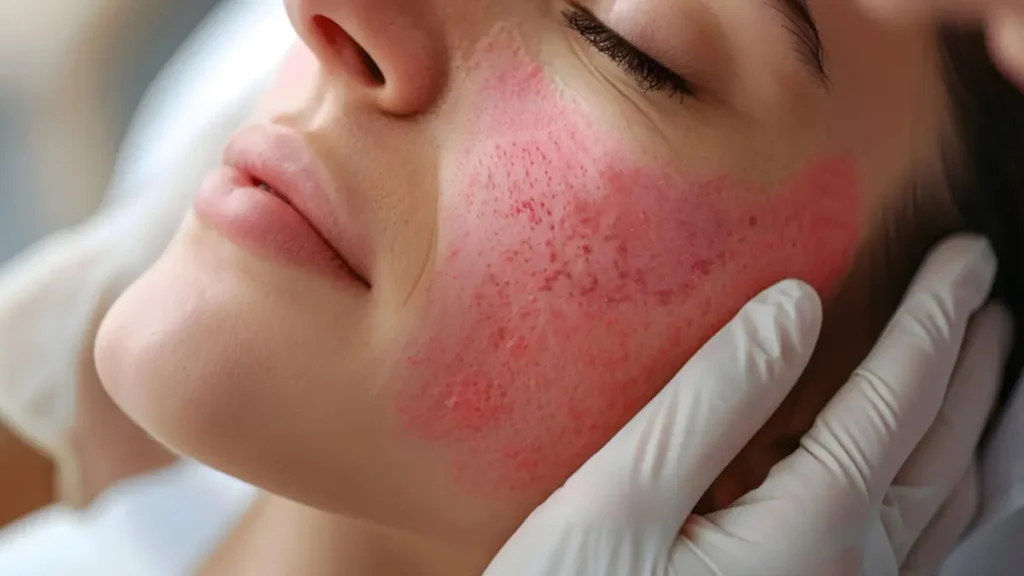
Though Rosacea is not very common, affecting only around 5 percent of the world population, Bahrain still records cases of the condition across the country. So, what is rosacea, and how do dermatologists in Bahrain diagnose and treat the condition?
What is Rosacea?
Rosacea is a chronic skin inflammatory condition that mostly affects the face. It is characterized by redness on the face with visible blood vessels. Rosacea is highly concentrated on the cheeks, forehead, chin, and nose area. It can also manifest as small puss-filled bumps that closely resemble acne.
Causes of rosacea
Although the exact cause of this inflammatory skin condition is not known, genetics or family history strongly influence its onset and severity. Further, extreme exposure to sunlight, reaction to certain foods, and also stress can cause a rosacea outburst on the skin.
Early symptoms of rosacea
Early diagnosis of health conditions and skin diseases offers a better chance of successful treatment. Therefore, recognizing the early symptoms of rosacea is important so treatment can start sooner and also lead to better clinical results.
Dermatologists in Bahrain will recommend certain diagnostic tests to confirm the condition.
- Redness: one of the most visible symptoms of rosacea is the redness on the skin. It occurs especially around the cheeks, nose, forehead, and chin.
- Appearance of thin blood vessels on the skin: Another apparent sign of rosacea is the appearance of thin red lines or blood vessels under the skin. The skin inflammation causes the blood vessels to widen or dilate, becoming more prominent on the skin. Visit the best dermatology clinic in Bahrain if you notice the appearance of thin blood vessels on your face.
- Pus-filled bumps: Sometimes, chronic rosacea can also result in pus-filled bumps that resemble acne. At times, these pus-filled bumps can be painful and sore to touch.
- Eye soreness: Burning sensation in and around the eyes, redness, and eye dryness are early signs of rosacea.
- Skin thickening around the nose or rhinophyma: Severe rosacea can also cause rhinophyma, which is the bulging of the nose. Enlarged sebaceous glands and connective tissues in the nose cause it.
Rosacea Diagnosis
Your dermatologist in Bahrain can confirm the diagnosis after a visual examination and after reading your medical history and records. However, to further confirm the diagnosis and to rule out the possibility of other skin conditions that have similar symptoms, your doctor may conduct a differential diagnosis, patch tests, and blood tests.
Treatment of rosacea skin inflammation
Treatment for rosacea depends on the results of the diagnostic tests. The treatment approach may vary between patients. Generally, dermatology clinics in Bahrain suggest any of the three types of treatment plans, depending on your diagnosis
- Medications: Several oral medications and topical solutions can minimize skin inflammation and also reduce the symptoms of rosacea.
- Laser treatment: Your doctor may also suggest laser treatment to target and destroy the blood vessels under the skin. This procedure reduces the redness. However, always visit only the best dermatology hospital in Bahrain, like German Medical Center, to ensure safe laser treatment by the top dermatologists in Bahrain.
- Lifestyle management: You can minimize rosacea symptoms with simple lifestyle changes such as protecting your skin from sun exposure, avoiding triggering foods, and managing stress.
The best dermatology hospital in Bahrain
When it comes to treatment for rosacea and other skin conditions, German Medical Center in Bahrain stands as a beacon of trust and reliability. With state-of-the-art infrastructure and a team of the top skin specialists in Bahrain, we offer trusted services for skin care and dermatology-related conditions. Schedule your appointment today.

 Bahrain